
News Archive · Regenerative medicine & advanced healthcare ·
Mesenchymal Stem Cells Recast as Regulatory Hubs, Opening New Paths in Regenerative Medicine
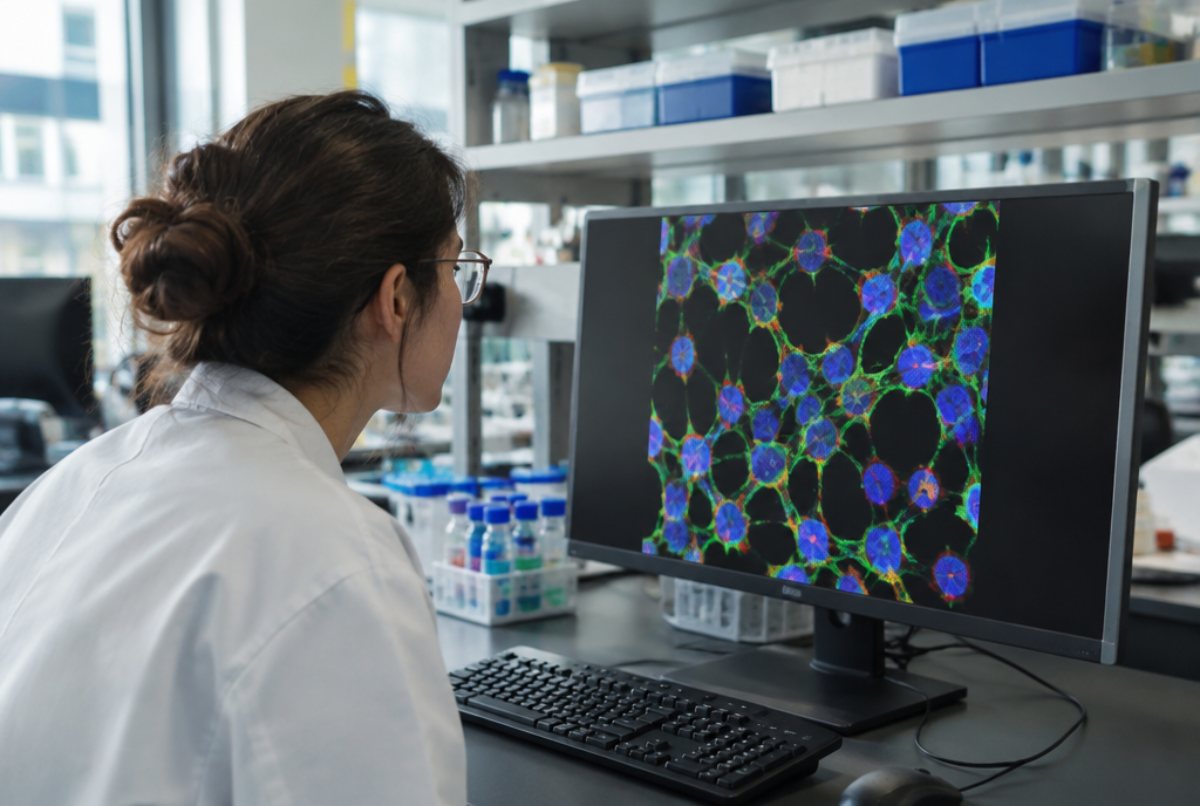
Seeing MSCs as signaling regulators rather than structural building blocks resolves a key scientific puzzle and reshapes therapeutic strategies.
The field is now viewing mesenchymal stem and stromal cells less as raw building blocks and more as regulatory hubs, a shift that goes beyond mere terminology and helps solve a long‑standing scientific conundrum.
Historically, MSCs have been prized for their ability to differentiate into bone, cartilage, and fat cells, leading to early cell‑transplant approaches that aimed to replace damaged tissue directly. Over time, inconsistent engraftment and variable outcomes highlighted the limits of a purely structural view.
Recognizing MSCs as sources of potent paracrine signals, immunomodulatory factors, and extracellular vesicles redirects research toward harnessing their secretome to modulate the tissue environment. This regulatory perspective promises more controllable and scalable therapies with potentially fewer safety concerns.
In the context of anti‑ageing and longevity medicine, the regulatory actions of MSCs—such as dampening chronic inflammation and supporting tissue homeostasis—could become central to strategies that aim to slow systemic decline, although clinical validation remains in early stages.
For the healthcare business, this conceptual shift redirects R&D spend from complex cell‑manufacturing toward platform technologies that exploit MSC‑derived signals, opening new product categories and potentially faster regulatory pathways. Investors and companies that adapt to a secretome‑focused model may capture broader market opportunities while reducing manufacturing risk.
Based on reporting by: BIOENGINEER 「Beyond cell transplants: The next frontier in mesenchymal stem/stromal cell therapy and regenerative medicine」 · October 18, 2026
Written by MSOLOGY from facts in published reporting.
More from this field — Regenerative medicine & advanced healthcare