
News Archive · Regenerative medicine & advanced healthcare ·
Academic Health Systems Launch Longevity Medicine Programs
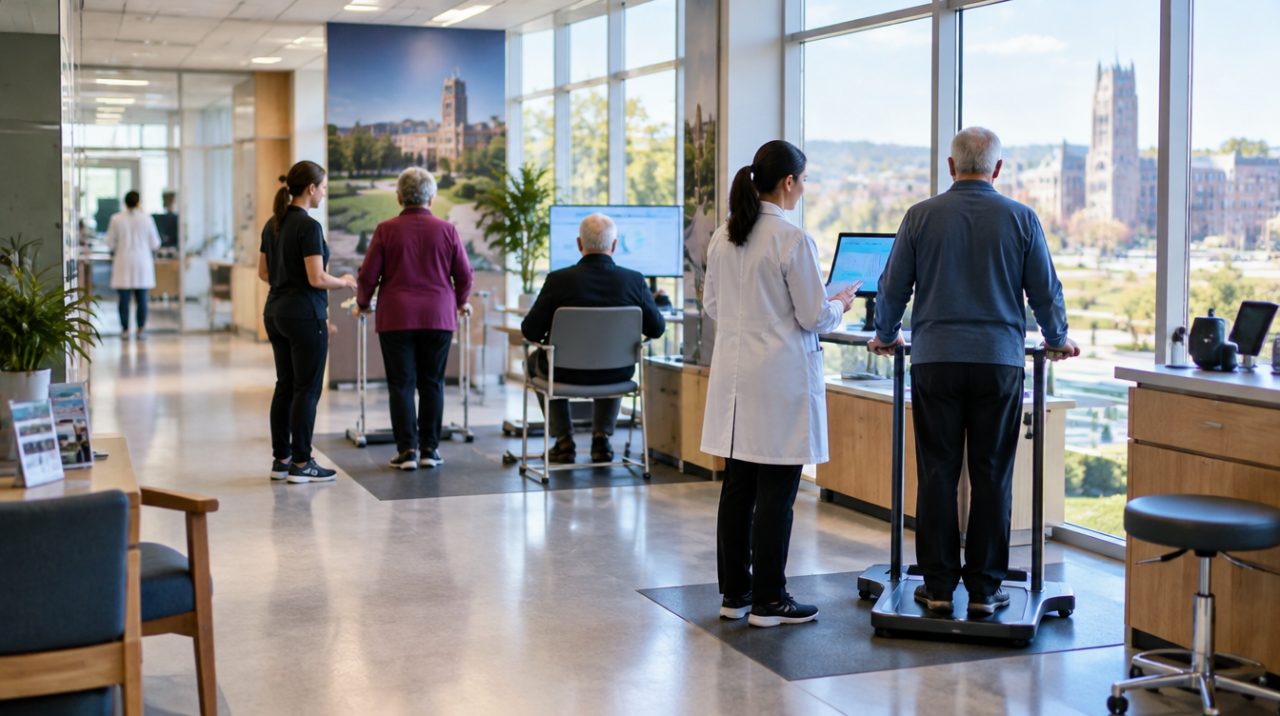
Hospitals and universities are establishing dedicated longevity services as preventive care demand rises.
Academic health networks are now creating their own longevity medicine divisions in response to an expanding interest in preventive health, according to recent reporting.
The move reflects a broader shift toward proactive health management, driven by an aging population and consumer expectations for services that keep people healthier longer. Integrating longevity care within existing hospital structures allows clinicians to combine routine screening with advanced wellness strategies.
These programs often draw on regenerative approaches, including cell- and stem‑cell based therapies, to address age‑related tissue decline. By situating such research and treatment within academic settings, institutions can accelerate translational studies and broaden access to emerging anti‑aging interventions.
Embedding longevity services also creates new clinical pathways that can be bundled with traditional care, potentially opening reimbursement opportunities and attracting patients seeking comprehensive, future‑focused health plans.
For the healthcare business, the emergence of longevity medicine within academic systems signals a new market segment that blends preventive care with cutting‑edge therapeutics, prompting providers to rethink service lines, investment in research infrastructure, and partnership models to stay competitive.
Based on reporting by: Becker's Hospital Review 「Longevity medicine moves into academic health systems」 · October 16, 2026
Written by MSOLOGY from facts in published reporting.
More from this field — Regenerative medicine & advanced healthcare